
Project 1
Section One Overview & Identification
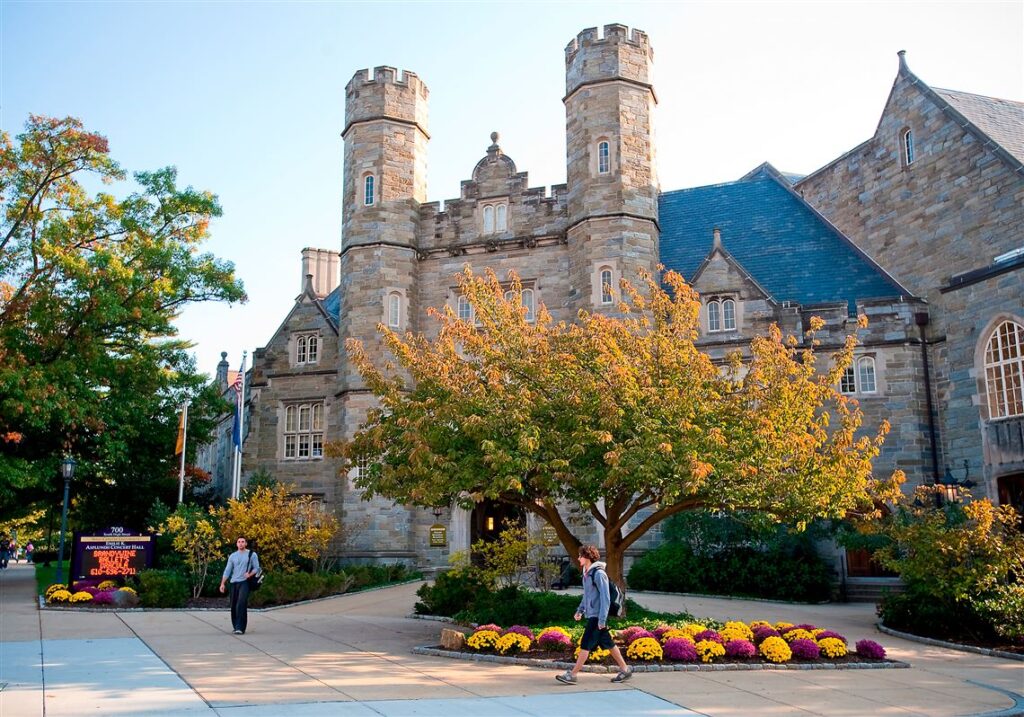
This is a project consisting of a webpage, slideshow, and short report for the class DHM 280: Introduction to Digital Humanities offered the fall 2022 semester at West Chester University of Pennsylvania. The project requires students to establish a connection between an academic discipline and the interdisciplinary field that is digital humanities. The group Sexy Beasts chose the field of linguistics, focusing on a project and tool within the field to connect back to the core values and goals of the digital humanities.
Section Two Description of Discipline
Linguistics is the study of human language and examines the properties and function of human language as a basic element of human behavior (wcupa). Linguistics involves looking at how sound is produced, the words we use, the sentences we construct, and the meanings behind every utterance. Additionally, linguistics observes how languages change over time, how they differ among people, how they influence identity and society, and how we acquire language. To gather data, linguists use a variety of methods including, but not entirely limited to, participant observation, interviews, surveys/questionnaires, written texts, and naturally occurring talk (Lahkar). Because the field of linguistics has multiple paths to explore, research can produce a multitude of results. Linguists often write articles documenting the results of their research, and yearly conferences are held focused on specific topics (i.e. sociolinguistics, phonetics, etc.). One unique product of linguistics is a corpus, which is a collection of authentic text or audio organized into datasets. Authentic here means text written or audio spoken by a native of the language or dialect (HyperSense).

Section Three Digital Projects Relevant to that Discipline
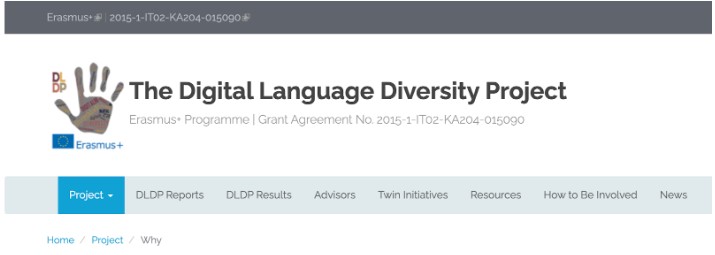
Digital Language Diversity Project (DLDP), started on September 10, 2015. DLDP focuses on allowing speakers of minority languages to use the platform to share their knowledge and abilities in the digital world. The team of thirty eight advisors come from all over; with Mr. Agdebola being from Nigeria, Ms. Lynn from Ireland, Mr. Lackaff from the United States and so forth. DLDP has several objectives in its quest to advance the sustainability of Europe’s regional and minority languages in the digital world. (DLDP) It uses a survey to gather information on the digital linguistic diversity in Europe through its regional and minority languages, seeing where and how languages are spoken. The surveys give an idea where training programs are needed to guide users in the production of digital content in their languages. The DLDP is a good example of a project within linguistics because it discusses how minority language users adapt and navigate digital spaces that do not have their languages. As linguistics is the study of human language, including its structure, history, acquisition, and practical use (Berlitz), a project focused on how speakers adapt their language for various uses is a topical project within the field of linguistics.
Section Four Digital Tools & Methods in that Discipline
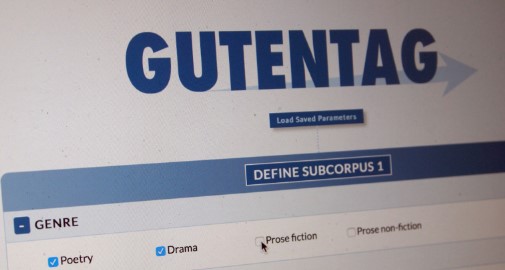
GutenTag is a project that allows computational linguists to identify pressing problems in the large-scale analysis of literary texts, while giving digital humanists access to a wider variety of NLP tools for exploring literary phenomena. GutenTag is intended to be a standalone software tool for non-programmers, but the source code is also available (Hammond)
Section Five Goals from Discipline that Align with DH goals
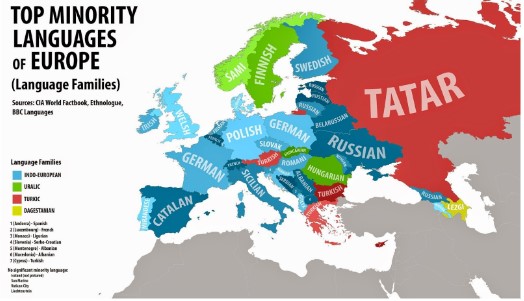
The Digital Language Diversity Project (DLDP) has several goals, one of which is the promotion of the use of regional and minority languages in wider contexts, which will hopefully lead to the preservation and revitalization of those languages (DLDP). This aligns with linguistics because linguists work to document, analyze, and preserve endangered languages by conducting fieldwork and establishing literacy programs, which can help communities revitalize their languages (LSA). The goals of both linguistics and DLDP align with the goals of preserving and sharing in DH, as there is a dedication to preserving and sharing what linguists learn about other languages.

Section Six Values from Discipline that align with DH values
One of the values of the Digital Language Project is collaboration. This is shown through the numerous advisors from all over the world that contribute to the project. Advisors range from Spain, Bolivia, the United States, to Ireland, Nigeria and many other countries. The value of collaboration aligns with the discipline of Linguistics because linguistics contributes to the documentation of human culture. Through linguistics, humans obtain the knowledge of language systems in all their aspects allowing us to connect. Language is a primary tool for expression and communication. (Linguistics.) The value of collaboration aligns with the digital humanities because digital humanities values expert knowledge and the dynamic, collaborative nature of knowledge creation (Sprio).

Section Seven Scholarship from that Discipline
Soria, C., & Russo, I. (2018). The Digital Language Diversity Project. In Technologies for Minority Languages Symposium: University of Groningen-Campus Fryslân. Ljouwert, the Netherlands.
Abstract: In this paper we introduced The Digital Language Diversity Project, a three-year project funded under EC Erasmus+ program started in September 2015. The project addresses the problem of the scarce use and usability of EU regional and minority languages over digital devices by developing a training program for adult speakers of regional and minority languages to empower them with the know-how for creating and sharing digital content. Availability of digital content and technical support to collect it are essential prerequisites for the development of language-based digital applications, which in turn will boost digital usage of these languages.
Section Eight Evaluation & Conclusion
Our project evaluates the potential connections between Linguistics and Digital Humanities. This is a very profitable collaboration due to the spread of knowledge which helps to elevate society. Linguistics can use digital humanities tools to help spread their knowledge of human languages. The Digital Language Diversity Project demonstrates this clearly, as the use of DH is assisting in the preservation and sharing of minority languages that historically have not had a presence in the digital world. Additionally, the tool GutenTag is an example of just one digital tool that linguists can utilize to make their work more efficient.
Section Nine The Team – Sexy Beasts
Karen Mercy, Goals and Digital tools
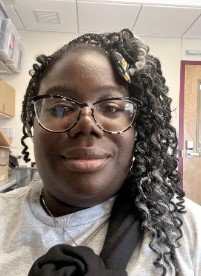
Oliva Marquardt served as the coordinator of the group. They kept constant communication with the group and organized meeting times. They also wrote the discipline description, found the article in the scholarship section, wrote the goals, and wrote the half page report. She also edited the document, making the necessary grammar and content corrections.
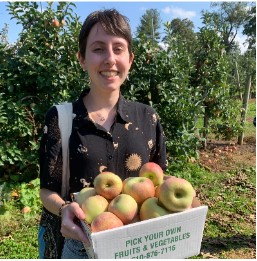
Zion Puyarena, webpage
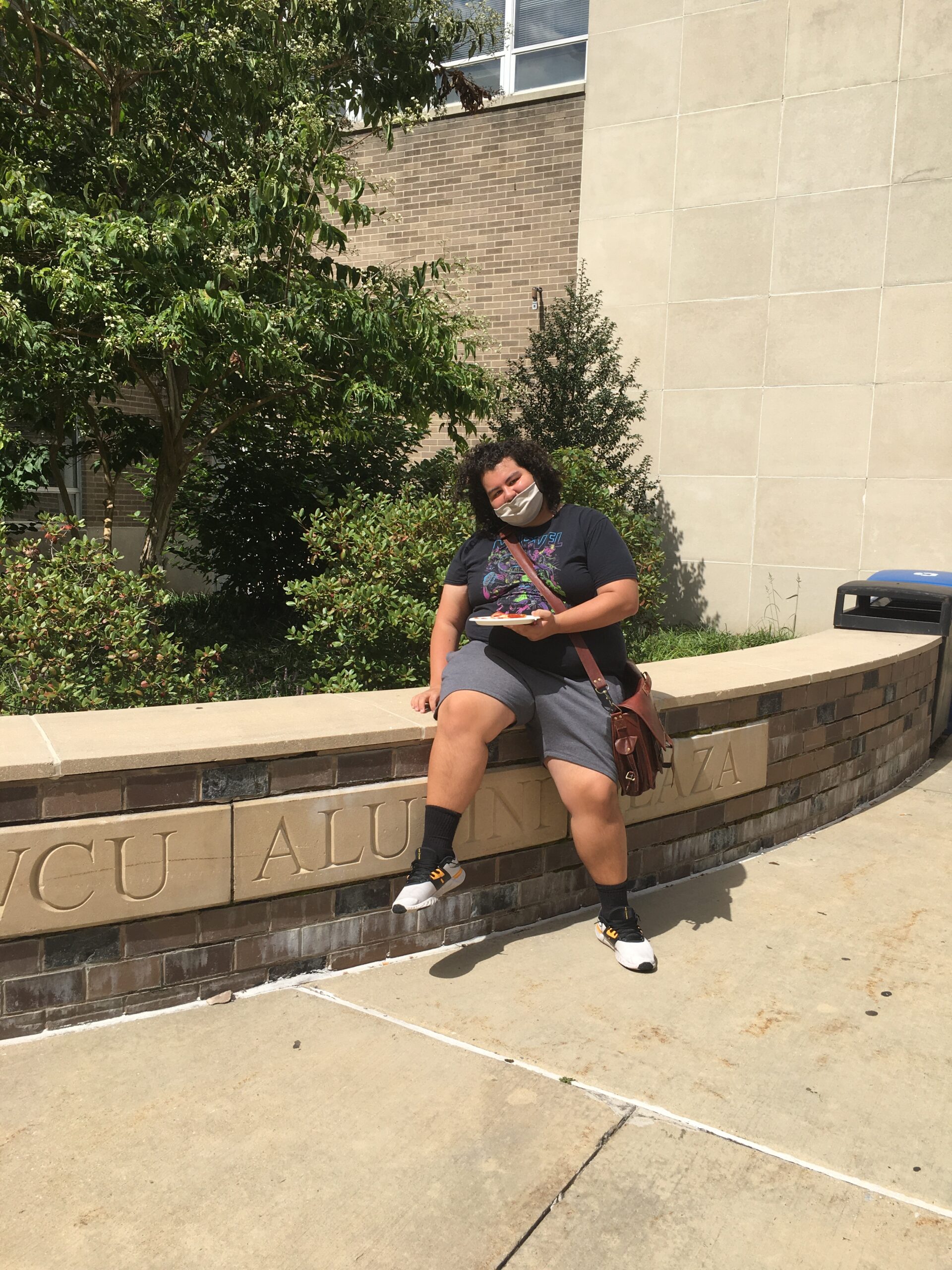
Haja Koroma served as co-coordinator of the group. She identified and described the project, along with the values of the project (DLDP), linguistics, and digital humanities. Haja also formed the slideshow presentation.

Vanessa Rusten, values and descriptions