Overview & Identification
In this project, assigned in DHM 280 in Spring 2023, we were asked to select a field of humanities and asses its relationship to the digital humanities, and our group selected Film Studies, with a focus on film preservation through a digital format.
Discipline: Film Studies
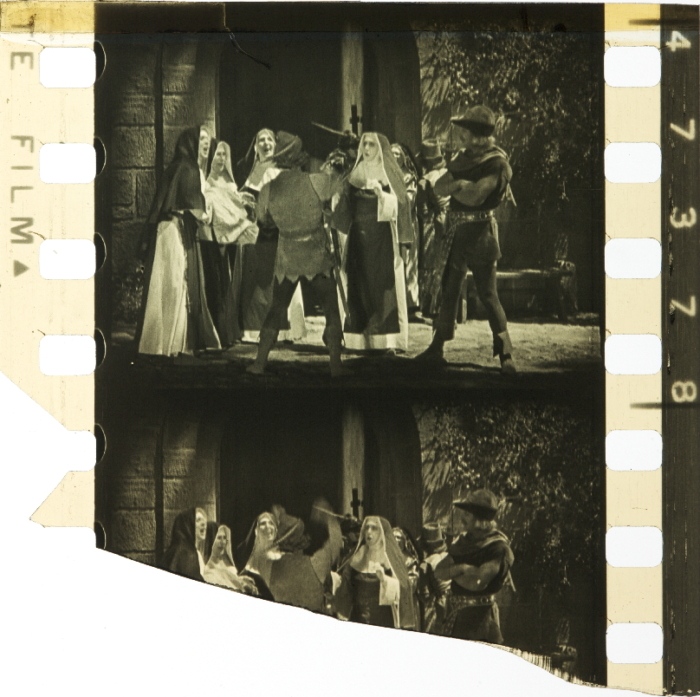
Film studies is an academic discipline that studies films, film culture, and cinematic history. It aims to study films in a way that resembles the study of art and literature. It is not studying film creation or production. Rather it involves the techniques, narrative, stylistic elements, and the history of the film. Film studies help us understand the culture of certain times and how society perceived things by showing us what was socially accepted and what was watched as entertainment. Entertainment can give us a surprisingly great view into a culture, as films are amazing pieces of art, culture, and history.
──────────────────
Overview of Project; A Timeline of Historial Film Colors
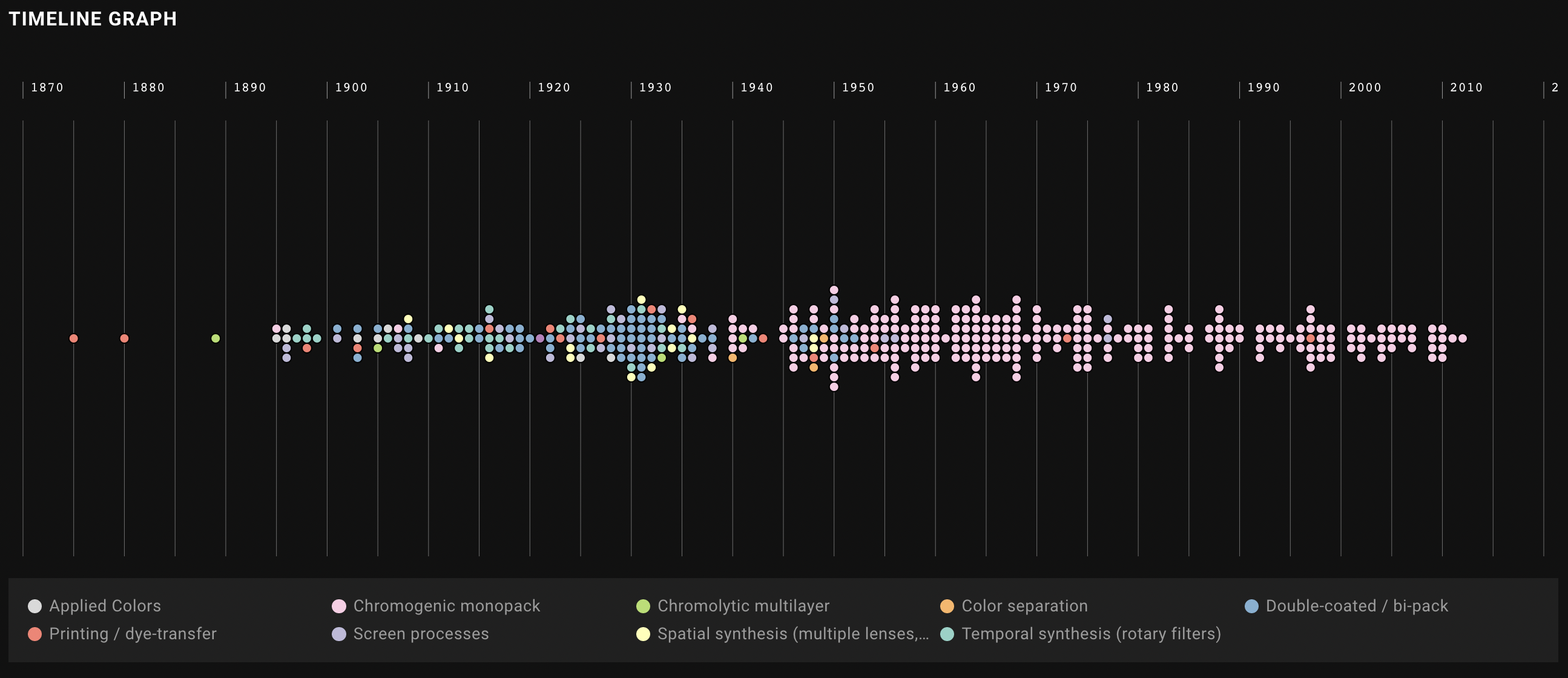
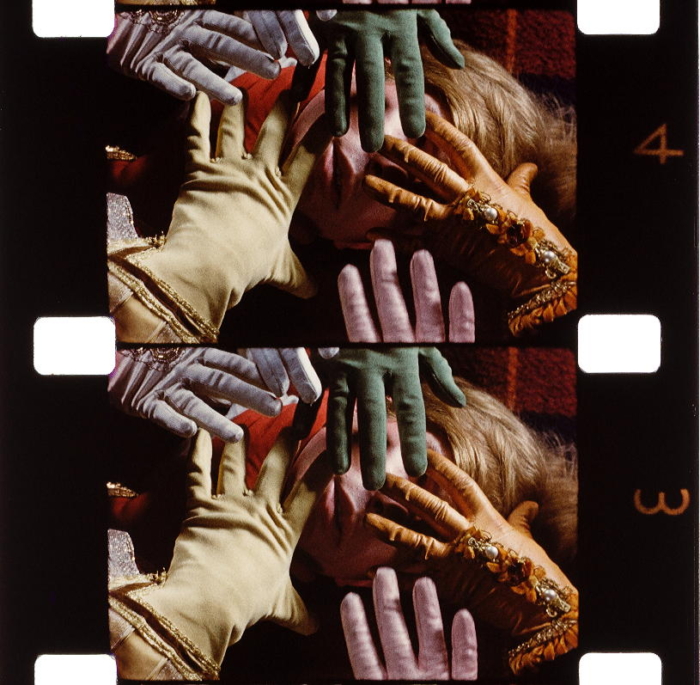
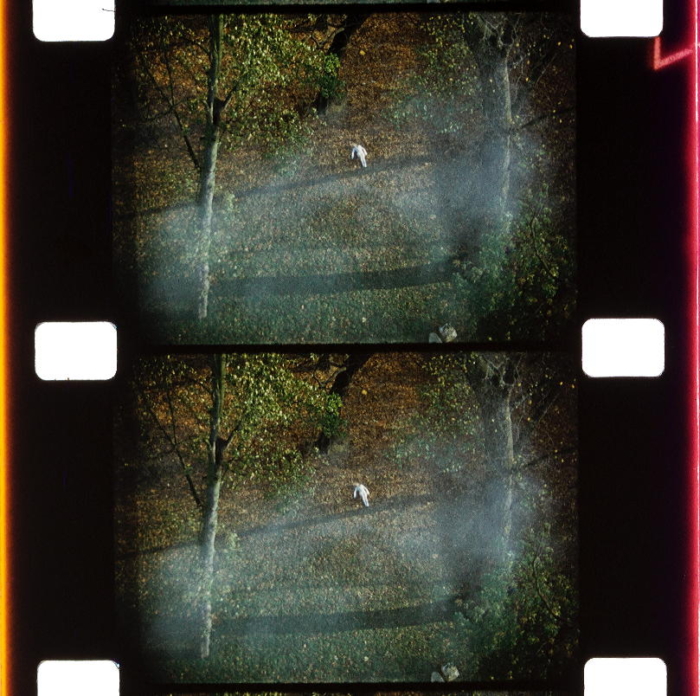
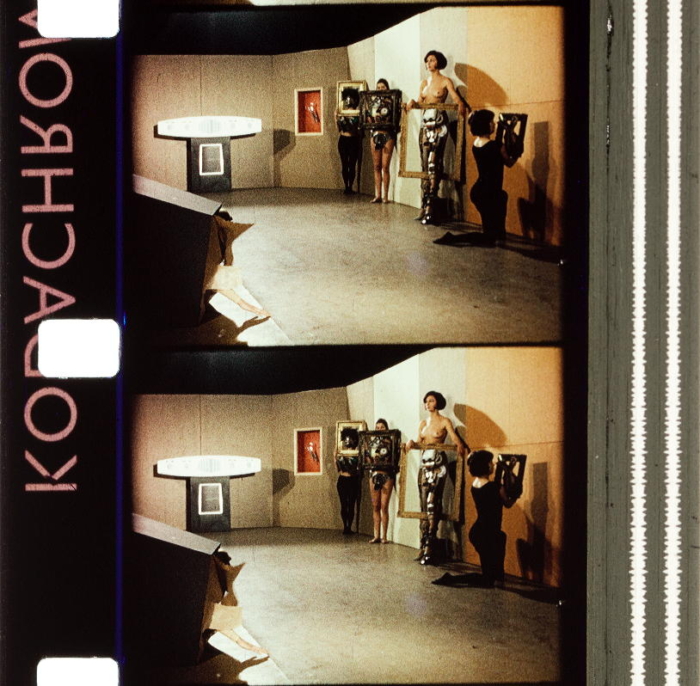
A Timeline of Historical Film Colors is a database that is dedicated to keeping a record of color processes and various types of film technologies that have been invented since the end of the 19th century. There is also an interactive timeline on the main page that allows visitors to quickly access information on various types of color processes such as applied colors and spatial synthesis. As of 2016, this database now includes written sources as well as photographs, and alongside the vast amount of publications and archives, the database now hosts over twenty-six thousand pieces that are all easily accessible.
──────────────────
Scholarship; VIAN: A Visual Annotation Tool for Film Analysis
While color plays a fundamental role in film design and production, existing solutions for film analysis in the digital humanities address perceptual and spatial color information only tangentially. We introduce VIAN, a visual film annotation system centered on the semantic aspects of film color analysis. The tool enables expert-assessed labeling, curation, visualization and classification of color features based on their perceived context and aesthetic quality. It is the first of its kind that incorporates foreground-background information made possible by modern deep learning segmentation methods. The proposed tool seamlessly integrates a multimedia data management system, so that films can undergo a full color-oriented analysis pipeline.
Halter, G., Ballester-Ripoll, R., Flueckiger, B. and Pajarola, R. (2019), VIAN: A Visual Annotation Tool for Film Analysis. Computer Graphics Forum, 38: 119-129. https://doi.org/10.1111/cgf.13676




──────────────────
Overview of Software Tool
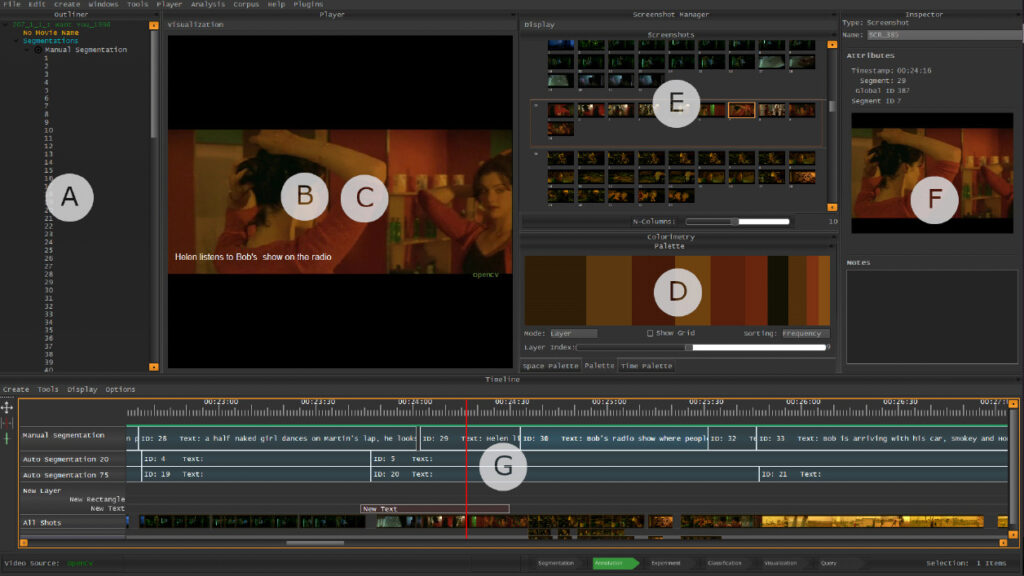
VIAN is a Python-based application for temporal segmentation, visual annotation, and computational analysis of films developed by Gaudenz Halter and Silas Weber. In the back end, it uses the well-known libVLC to play a movie and OpenCV in combination with other libraries for analysis. With this tool, you can use their classification feature to manually tag screenshots and annotations. In addition, their visualization feature offers using large vocabularies to classify content.
──────────────────
DH Aligned Goals & Values
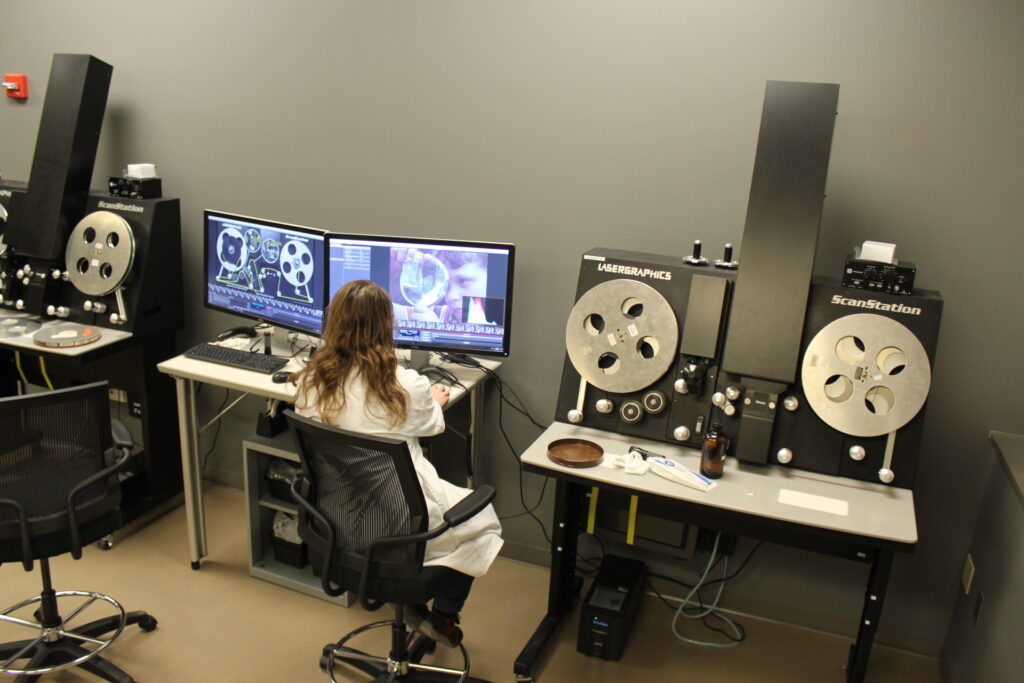
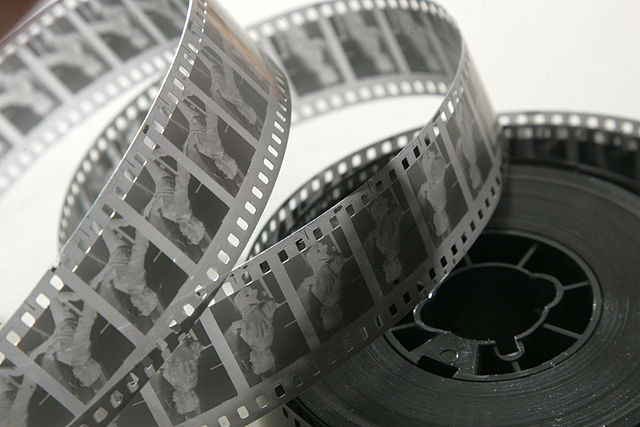
An important goal to film studies is the preservation of history, and in the modern era, that has to be done with technology. Digital humanities offer many forms of preservation in digital formats, and with projects such as a Timeline of Historical Film Colors, we are able to see how much digital humanities assist film studies in this goal. Film used to be limited to how far the physical film reels could reach, but with the help of the digitalization of film, films, and film studies, can reach people globally. Digital humanities allow film studies to have an easier time preserving media, but it also gives many more people access to films, colors, and technologies they would have otherwise never known existed. With tools like VIAN making it easier for anyone to preserve media and film, the ability to engage in film studies now goes beyond just access to the internet, and allows people to preserve their own histories and cultures.
A strong shared value between the digital humanities and film studies is a strive for accessibility. Accessibility in film studies means access to knowledge and media, and both of those have to be able to reach as large of an audience as possible to keep them alive. Digital humanities center around this, with thousands of online projects, publications, and journals across the internet for anyone to access. Due to this shared value, film studies is able to preserve its video art, advertisements, technologies, and other pieces of media in a digital, and highly accessible, format.
──────────────────
Conclusion & Evaluation
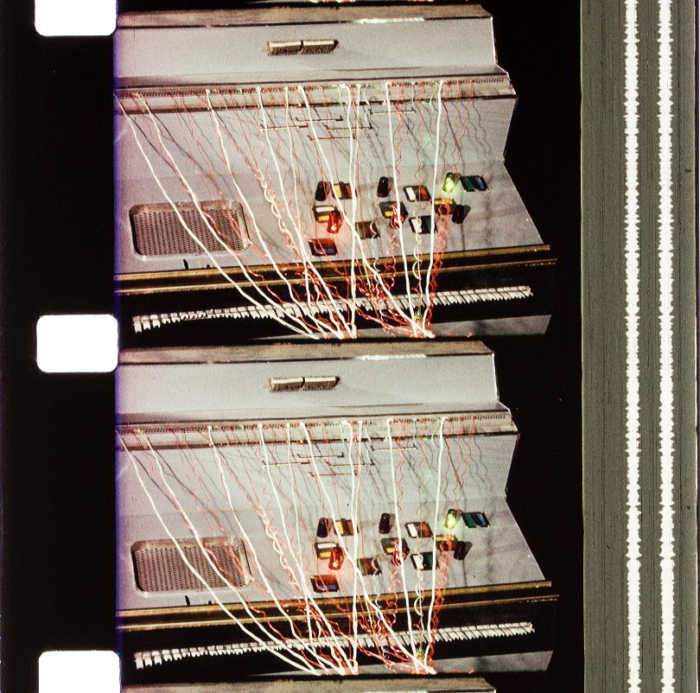
Film studies is highly compatible with the interdisciplinary area of digital humanities. The project, A Timeline of Historical Film Colors, would be completely unable to exist without technology. It relies on the digital format to preserve history and the many color processes and film technologies that have been created over decades. The project makes it clear that digital humanities can assist film studies, as well as our scholarship, which delves further into the usage and capabilities of our software tool, VIAN. This software tool can be used not just for film studies, but also in the creation and analysis of films. All of these things make it incredibly clear how valuable digital humanities has been and will continue to be for the field of film studies.
──────────────────
Team: The Favorites

Scott Snyder, Marketing Major & Junior; Website Contributor

Michael McLaughlin, Biology Major & Freshman; Defining Goals & Values, Description of Discipline

Claude Field, Psychology Major & Sophomore; Selecting & Defining a Project, Defining Goals & Values, Website Contributor

Ryan Doherty, Communications Major & Junior; Description of Software Tool, Report Author

Thomas Strong, Business Management & Junior; Selecting & Describing a Scholarship
West Chester University