
Overview & Identification

For DHM 280 in Spring 2023 at West Chester University, our team chose to study the field of musicology for Project 1. In this assignment, we had to relate our field to the interdisciplinary field of digital humanities. To do that, we researched different parts of the discipline of musicology. We chose a digital tool, a digital project, and an example of scholarship; provided a description of the discipline; and then analyzed goals and values of the discipline and how they connect to DH.
Discipline of Musicology

Musicology is the scholarly study of music, which encompasses a wide range of sounds, cultures, purposes, and emotional responses from throughout human history. This field is divided into three main subsections – historical musicology, systematic musicology, and ethnomusicology, each of which has a slightly different focus.
Systematic musicology is a term that covers multiple kinds of disciplines within the larger field of musicology. It is essentially interested in information relating to the building blocks of music and our understanding of it. This can include music theory and our understanding of musical instruments and physical sound. However, the field encompasses other views of music, such as through the lenses of psychology and philosophy. Systematic musicology also allows us to look at how computing and other sciences help change and preserve musical knowledge and culture. This project focuses on how visualization affects our understanding of the impact and sharing of music.
The Baudelaire Song Project
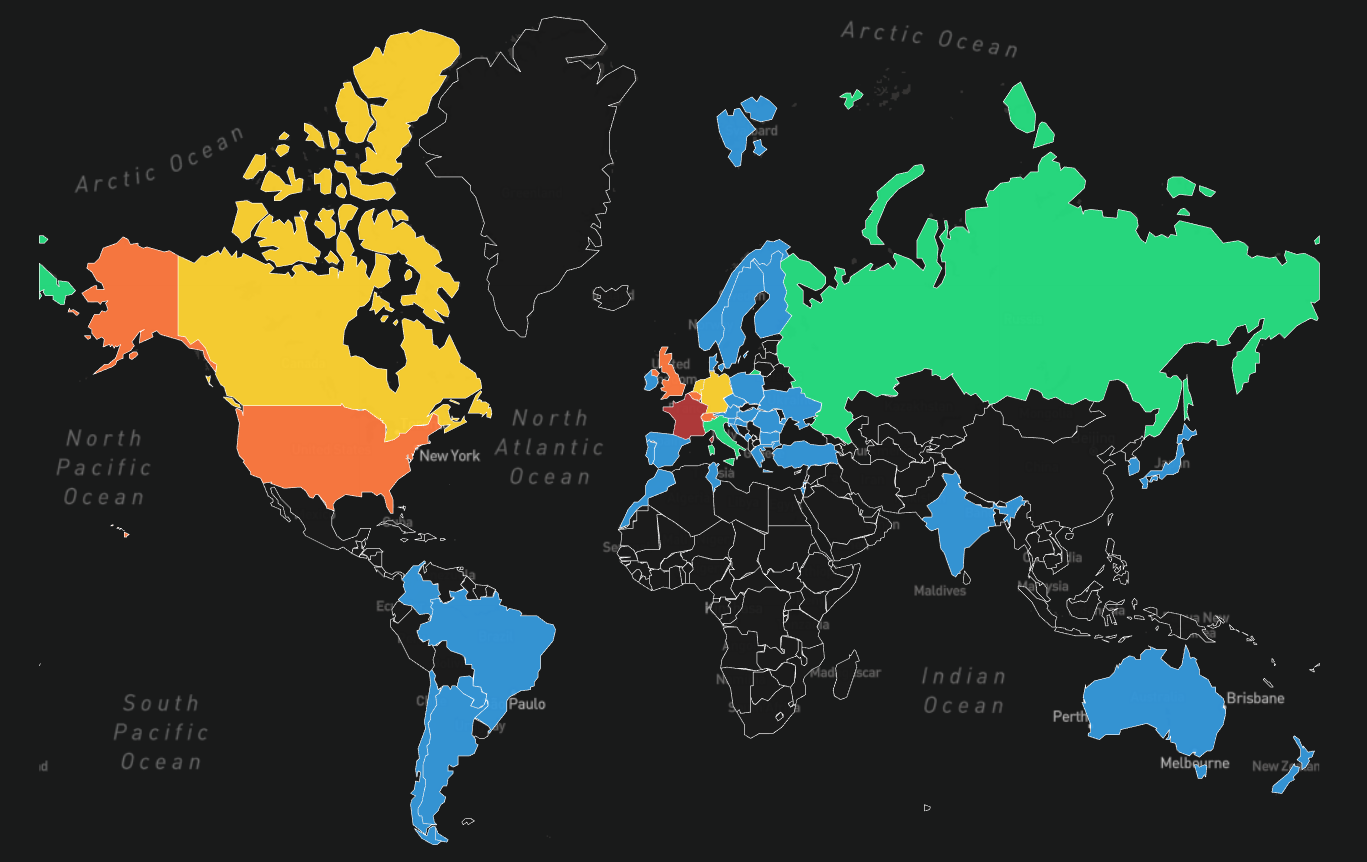
The Baudelaire Song Project is a project that researches all the song settings that have been written by French poet Charles Baudelaire. This project is the first time ever that people are studying how Baudelaire’s verse and prose have been brought to pop music and classical music settings worldwide. This project is hosted by The University of Birmingham (UK) with HRI Digital at The University of Sheffield (UK). The Baudelaire project is working with HRI Digital and its goal is to generate a major new dataset to enable cross-analysis and visualisation of key findings. Baudelaire Song Project is funded by the Arts and Humanities Research Council (AHRC) 2015-2019.
Beyond the score: Music visualization and digital humanities

Among the humanities, music is especially powerful for reflecting time and place and evoking personal experiences and memories. Yet music research in the digital humanities has attended little to socio-cultural context, tradition, history and performance knowledge, instead focusing on the musical score and technical elements. To have an impact on music scholarship, digital research in the music domain must be considered more broadly. An example is the work of Alexander Chan, whose cutting edge music research may be appreciated as interactive installations but gets little recognition within digital humanities. Music research has fallen short in its use of digital technology to understand theory, composition, musicology and the preservation and transmission of music knowledge. Despite music’s evocative power, its conceptual scope in digital research is narrow.
Lam, Margaret. Bulletin of the American Society for Information Science and Technology, 38.4 (2012): 45-47
Tool: Sonic Visualiser

One important tool in the field of musicology is the Sonic Visualiser. It is a tool for Windows, Linux, and Mac that allows for detailed visualization of audio files (including music), allowing users to look at them in a visual way and analyze them. It was developed specifically with the work of musicologists, archivists and signal-processing researchers in mind at the Centre for Digital Music at the Queen Mary University of London. This tool is free and has been developed and has been updated since its inception in 2006.
Goals from Musicology

One goal in musicology is to communicate emotional information. An article featuring quotes from musician and professor Jeremy Montagu from Oxford University states:
“A major goal of music is that it paved the way for us to communicate with each other and to share emotions,” Montagu defines music as “sound that conveys emotion”. The ability to communicate emotion is precisely what made music persist after the development of language.
Oliviera, Joana, and Javier Yanes. “What Is the Purpose of Music?” OpenMind, 8 Sept. 2022.
This goal is something that is seen in The Baudelaire Project and its mission of communicating the song settings of Baudelaire’s poetry, and how composers have been able to adapt his work globally and through time. The goal of providing access to information, through data and emotions, is something that is shared strongly with Digital Humanities.
Values from Musicology
Musicology shows the values of collaboration and experimentation through how intellectual and emotional engagement occurs between musicians and listeners in different forms.

Musicology shows how sharing of musical ideas brings people, whether listeners or musicians, together emotionally, inspiring collaboration. This is related to the value of collaboration from digital humanities.
Since musical ideas are ever-changing, experimentation is also a core value of musicology. The ability of music to experiment is related to the value of experimentation from digital humanities.
Evaluation and Conclusion

The field of musicology is a good fit for connecting to digital humanities because DH also seeks to share and preserve cultural information in accessible ways for generations to come, and music is a large part of that human experience. In addition to adding to or changing the emotional effects of spoken words, sound and vibrations offer non-literal means to express emotion. Individuals may connect across time and space, share experiences, and spread emotions and thoughts nearly universally through music, and musicology is essential to keeping us aware of how many different ways that can impact us.
Our Team: The Rebels

Sam Beyerle is a student at West Chester University that wrote for the sections on The Baudelaire Project and Values in Musicology.

Cecily Thorp is a student at West Chester University that wrote for the sections on Overview & Identification and researched for the Scholarship section.

Paul Trzos is a student at West Chester University that designed/edited this website and wrote for the Discipline of Musicology section.

Abby Zarkowski is a student at West Chester University that wrote for the sections on the Sonic Visualiser and Goals from Musicology.
